
Разница между сирийским удом и другими
Можно сказать, что происхождение уда восходит к древним временам, что оно передавалось из поколения в поколение и продолжает существовать. типы уд Наиболее распространенным типом уда является арабский уд. Когда упоминается арабский уд, на ум приходят Северная Африка, Палестина, Ливан, Иордания, Сирия, Ирак, Аравийский полуостров и Иран. Тип уда, который мы рассмотрим, - это сирийский уд. сирийский уд У него есть особенность производить много тонов. Можно сказать, что это главная особенность, которая отличает его от остальных.
Перед покупкой уда нужно изучить все его особенности и купить для вас идеальный уд. Каждый уд отличается друг от друга. Критерии, которые отличают типы удов друг от друга, следующие:
- форма
- мера
- мастерство
- Материал
- вес
- долговечность
- Аудио
- Клавиатура
- Баланс проводов
Обсуждение Oud

Корни уда датируются 3500 лет назад. Уд, используемый в Турции, структурно не отличается от удов в других странах, но тела арабских удов, как правило, больше и имеют одно большое отверстие вместо двух маленьких и одного большого. Уд сохранил свою структуру около тысячи лет, за исключением нескольких изменений.
Уд, бесхребетный инструмент; находится в секции струнных инструментов, поэтому звуковой диапазон этого музыкального инструмента составляет 3 октавы. Красивый звук уда обеспечивается его полым корпусом, который вибрирует, когда он напрягает струны. Для игры на уде используется плектрум. При изготовлении уда предпочтительнее как прочные, так и более прочные виды дерева, так как при изготовлении уда использовались вязаные провода, а сегодня используются нейлоновые провода.
Вас могут заинтересовать: Как научиться уд эффективно?
Что такое сирийская уда?

Когда упоминается уд, на ум приходит его непосредственное происхождение. Сирийский уд рассматривается в категории арабский уд и является одним из наиболее значимых видов. Сирийский уд считается средним инструментом. Это довольно большой выбор для покупки. Крупнейший производитель удов в сирийском мире и арабском мире, в целом, это.
Каковы другие типы уда?
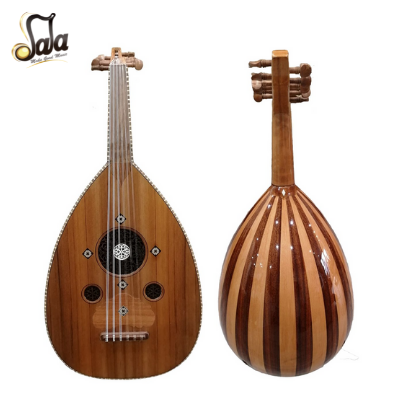
В норме два вида удов. Первый — арабский, а второй — турецкий уд. Арабский уд делится на ветви внутри себя. Арабский и турецкий уды имеют специфические характеристики. Наиболее известными видами удов являются:
Турецкая удаЗвук турецкого уда нежный. Турецкий уд спроектирован с сильным движением в два-три миллиметра. В этом дизайне он предлагает особый игровой комфорт человеку.
Арабский уд
Саундборд арабских удов, которые, как правило, 11 нанизаны, толще, чем турецкие уды.
Сирийская уда
Сирийский уд сочетает в себе турецкие и арабские звуки. Звук сирийского уда имеет довольно резкий и сухой тон. Он среднего размера.
Египетская уда
Звук египетского уда тяжелый и густой. Египетский уд самый большой среди других видов. Египетский уд сделан из ели.
Марокканская уда
Это редкий тип уд.
Персидская уда
Арабские уды большие, турецкие уды маленькие, а персидские уды средних размеров. У них теплый и плавный голос.
Электрический уд
Электрические уды, выполненные в нескольких формах, имеют твердое тело.
В чем разница между сирийской удой и другими?
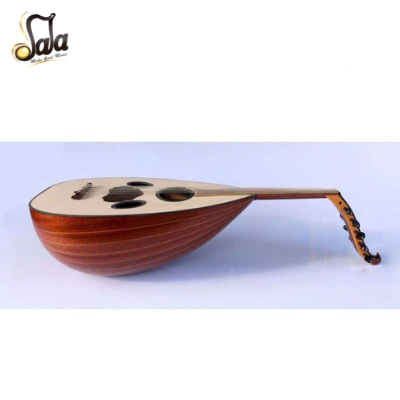
Учитывая, что существуют критерии, которые отличают уды друг от друга, мы легко видим, что сирийский уд выше других удов. Также высота сирийского уда ниже. Когда мы рассматриваем его как тело, он выглядит более грушевым, чем у удов типов. Египетские уды высоко декоративны других видов. Когда мы рассматриваем его как звук, он дороже других удов. Можно услышать разные звуки от сирийских удов.
Как Сала Музик, мы стремимся предоставить вам лучший сервис. Мы собрали все продукты для вас на нашей странице. Следуйте за нами для получения дополнительной информации и продуктов.
Вас могут заинтересовать: История Oud


Good Afternoon Mr. Moran,
Thank you for reaching out with your inquiry about finding the perfect oud. It’s great to hear about your interest in exploring different styles beyond your Turkish oud.
Regarding the choice between Syrian, Iraqi, and Persian ouds, each has its unique qualities in terms of tone, timbre, and resonance. Typically, Syrian ouds are known for their warm, rich sound with excellent volume, making them very resonant. Persian ouds often exhibit a bright and clear tone, suitable for intricate melodic lines. Iraqi ouds, distinct for their floating bridges, offer a dynamic range of sound and allow for subtle tonal adjustments, which can enhance the instrument’s expressiveness. The floating bridge, indeed, adds a unique character by providing more vibration freedom, thus enriching the sustain and clarity of each note.
With a budget of £800, you are indeed in a good position to acquire a high-quality, professionally set up oud. The instrument I recommend, the Premium Arabic Oud Sala A9, falls within your budget and meets the criteria you described. It is hand-assembled and carefully checked to ensure a beautiful setup and sound. You can view and consider this model here: Premium Arabic Oud Sala A9.
https://salamuzik.com/products/premium-arabic-oud-sala-a9
As for the wood choices, each type offers different attributes:
Walnut: Known for its balanced tone, provides a warm yet bright sound.
Apricot: Rarely used but offers a lighter, very resonant tone.
Pamela: This wood is not commonly used in oud construction; perhaps you meant Padauk, which offers a rich and warm sound.
Cocobolo: Delivers deep and powerful tones with excellent sustain.
Purpleheart: Known for its density and stiffness, provides a vibrant and resonant sound.
For the soundboard, AAA cedar is an excellent choice known for its warm and clear sound, enhancing the oud’s overall tonality. An ebony fretboard and pegs not only add aesthetic value but also contribute to the clarity of the sound, thanks to ebony’s dense nature.
Please let me know if you need any more details or if there’s anything else I can assist you with. I’m here to help ensure you find an instrument that meets your artistic needs and inspires your music.
Kind regards
info@salamuzik.com
Good Afternoon, I wonder if you are able to help?
I am looking to buy an Arabic oud, and am thinking of getting either a Syrian, an Iraqi, or a Persian oud. Which would you say has the better range in tone, timbre, and sounds, and which has the most resonance and volume? (I already have a Turkish oud).
Also, does the Persian oud always have a floating bridge, and if so, is this a good thing improving the instrument? How does this affect the sound in contrast to a fixed bridge?
I am looking for a powerful Arabic sounding instrument, with lovely clear tonal ranges with sustain.
My budget is £800 UK sterling (US$950). Will I find a high quality hand assembled, beautifully set up and checked, professional instrument for this price? What are my options?
Lastly, I have also been looking at woods. Ideally I would like an ebony fretboard and pegs. For the sound board I am considering AAA cedar.
For the body I am unsure. What are your opinions of, and how would you describe the character of the following possibilities: Walnut; Apricot; Pamela; Cocobolo; Purpleheart woods?
Any advice would be very much appreciated.
Thank you.
Kind regards,
David Moran (UK)
The Strings are Nylon like a Classical Guitar so the tension will be fairly low. I find that Machine Head tuners are more practical than friction pegs cause w/ that many strings to keep in tune, Machine heads make a big difference. A built in tuner on an Oud also rocks because Nylon strings take a while to stretch, so it helps w/ tuning it to pitch.
I would like to add that the Moroccan ouds, besides the fact of being rare, are the direct descendant of the Andalusian oud developed by Ziryab starting from Oud Ramal, which could only be found in Andalusia (Spain) and northern Morocco.
The development of the modern Moroccan Oud through the centuries borrowed innovative wood working techniques from Italy, Greece, Germany and, of course, Turkey, Egypt, Syria, Iraq, and most of the middle-east. And in return new Oud architectures were exported to serve as a basis for other modern incarnations in the Oud playing countries.
The main characteristics of modern Moroccan Ouds can be summarized as follows:
- Tone versatility. The Moroccan Oud makers mastered the equalization techniques using innovative approaches to the structure.
- High power. The typical Moroccan Oud is a few decibels louder than its oroental counterparts.
- Higher basses without being “muddy”
- Excellent playability
- Wide choice of woods that the makers know how to handle
- Easy access to the best of the best of Moroccan walnut for the bowl, which is by far the most sought after material by professional recording artists.
- Tested and adopted by a wide range of famous artists, such as Said Chraibi, Farid Al Artrash, Mohamad Abd El Wahab, Tantawi, and many other professional artists and collectors.
I would like to see more Ouds from Morocco at Sala Muzik so our brothers and cousins around the world can enjoy this unique 10 centuries craftsmanship.
Оставить комментарий