
Difference Between Suriye Ud ve Diğers
oud tarihlerinin kökeninin eski zamana geri döndüğünü söyleyebiliriz, bu nesillerden nesile aktarıldığını ve var olmaya devam ettiğini söyleyebiliriz. oud türleri Bugün yaygın olarak kullanılıyor. En yaygın oud türü Arap oud söz konusu olduğunda, Kuzey Afrika, Filistin, Lübnan, Ürdün, Suriye, Irak, Arap Yarımadası ve İran akla geliyor. Suriyeli oud Çok fazla ton üretme özelliği var. Bunu diğerlerinden farklı kılan ana özellik olduğunu söyleyebiliriz.
Bir oud satın almadan önce, tüm özelliklerini araştırmanız ve sizin için ideal oud satın almanız gerekir. Her oud birbirlerinden farklıdır. birbirlerinin oud tiplerini farklı kılan kriterler şunlardır:
- Şekil Şekil Şekil
- Önlem
- Workmanship
- Material Material Material
- Ağırlık
- Durability
- Audio Audio Audio
- Klavye
- Kablolu denge
Hakkında Oud

Türkiye'de oud tarihinin kökleri 3500 yıl öncesine geri döndü. Türkiye'de kullanılan oudlar diğer ülkelerdeki oudlardan yapısal olarak farklı değil, ancak Arapça oudların organları genellikle daha büyük ve büyük bir delik yerine büyük bir delike sahiptir.
Oud, bir fretsiz enstrüman; dizelerin bölümündedir, bu yüzden bu müzikal enstrümanın ses aralığı 3 octaves'dir. oud'un güzel sesi boş vücut tarafından sağlanırken, o vibrates'in kullandığı teller kullanılıyor.
İlgilenebilirsin: Oud nasıl etkili bir şekilde öğrenilir?
Suriyeli Oud nedir?

oud söz konusu olduğunda, acil kökeni aklınızdan gelmektedir. Suriye oud Arapça oud kategorisinde kabul edilir ve en önemli türlerden biridir. Suriyeli oud ortalama bir araç olarak kabul edilir.
Oud'un diğer türleri nedir?
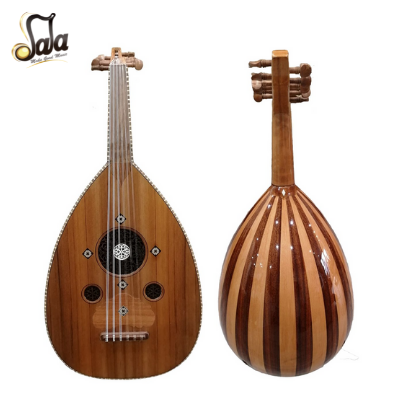
İlki Arapça'dır ve ikincisi Türkçe oud'dur. Arapça ve Türkçe oud'un kendi içinde şubelere bölünmüştür.
Türk OudTürk oud'un sesi naziktir. Türk oud, iki veya üç milimetrenin güçlü bir hareketi ile tasarlanmıştır. Bu tasarımda, kişiye ayrı bir oyun konforu sunar.
Arapça
Arapça ouds'un sesi, genellikle 11 strung olan, Türk Ouds'tan daha kalındır.
Suriyeli Ey
Suriyeli oud Türk ve Arapça sesleri bir araya getiriyor. Suriyeli oud'un sesi oldukça sert ve kuru ton var.
Mısırlı Oud
Mısırlı oud'un sesi ağır ve kalındır. Mısırlı oud diğer türler arasında en büyüğüdür.
Moroccan Oud
Bu nadir bir oud türüdür.
Farsça Oud
Arapça Ouds büyük, Türk Ouds küçük ve Farsça Ouds orta büyüklüktedir. sıcak ve akıcı bir sese sahiptir.
Elektrikli Oud
Birçok formda tasarlanmış Elektrikli Ouds sağlam bir bedene sahiptir.
Suriyeli Oud ve diğerleri arasındaki fark nedir?
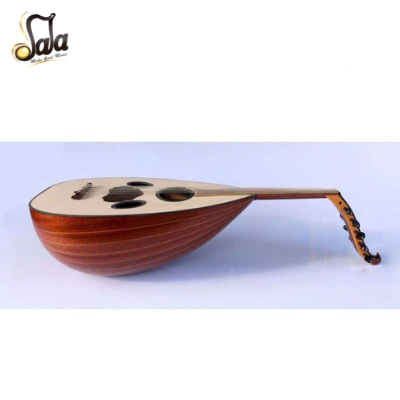
Suriyeli oud'ların bir beden olarak incelediğimiz kriterler olduğunu göz önünde bulundurduğumuzda, Suriyeli oud'un diğer oudlardan daha yüksek olduğunu kolayca görebiliriz.Ayrıca, Suriyeli oud'un perdesi daha düşük.
Sala Muzik olarak, size en iyi hizmet sunmak istiyoruz. Sayfamızda sizin için tüm ürünleri derledik. Bizi daha fazla bilgi ve ürün için takip edin.
İlgilenebilirsin: Oud Tarihi


Good Afternoon Mr. Moran,
Thank you for reaching out with your inquiry about finding the perfect oud. It’s great to hear about your interest in exploring different styles beyond your Turkish oud.
Regarding the choice between Syrian, Iraqi, and Persian ouds, each has its unique qualities in terms of tone, timbre, and resonance. Typically, Syrian ouds are known for their warm, rich sound with excellent volume, making them very resonant. Persian ouds often exhibit a bright and clear tone, suitable for intricate melodic lines. Iraqi ouds, distinct for their floating bridges, offer a dynamic range of sound and allow for subtle tonal adjustments, which can enhance the instrument’s expressiveness. The floating bridge, indeed, adds a unique character by providing more vibration freedom, thus enriching the sustain and clarity of each note.
With a budget of £800, you are indeed in a good position to acquire a high-quality, professionally set up oud. The instrument I recommend, the Premium Arabic Oud Sala A9, falls within your budget and meets the criteria you described. It is hand-assembled and carefully checked to ensure a beautiful setup and sound. You can view and consider this model here: Premium Arabic Oud Sala A9.
https://salamuzik.com/products/premium-arabic-oud-sala-a9
As for the wood choices, each type offers different attributes:
Walnut: Known for its balanced tone, provides a warm yet bright sound.
Apricot: Rarely used but offers a lighter, very resonant tone.
Pamela: This wood is not commonly used in oud construction; perhaps you meant Padauk, which offers a rich and warm sound.
Cocobolo: Delivers deep and powerful tones with excellent sustain.
Purpleheart: Known for its density and stiffness, provides a vibrant and resonant sound.
For the soundboard, AAA cedar is an excellent choice known for its warm and clear sound, enhancing the oud’s overall tonality. An ebony fretboard and pegs not only add aesthetic value but also contribute to the clarity of the sound, thanks to ebony’s dense nature.
Please let me know if you need any more details or if there’s anything else I can assist you with. I’m here to help ensure you find an instrument that meets your artistic needs and inspires your music.
Kind regards
info@salamuzik.com
Good Afternoon, I wonder if you are able to help?
I am looking to buy an Arabic oud, and am thinking of getting either a Syrian, an Iraqi, or a Persian oud. Which would you say has the better range in tone, timbre, and sounds, and which has the most resonance and volume? (I already have a Turkish oud).
Also, does the Persian oud always have a floating bridge, and if so, is this a good thing improving the instrument? How does this affect the sound in contrast to a fixed bridge?
I am looking for a powerful Arabic sounding instrument, with lovely clear tonal ranges with sustain.
My budget is £800 UK sterling (US$950). Will I find a high quality hand assembled, beautifully set up and checked, professional instrument for this price? What are my options?
Lastly, I have also been looking at woods. Ideally I would like an ebony fretboard and pegs. For the sound board I am considering AAA cedar.
For the body I am unsure. What are your opinions of, and how would you describe the character of the following possibilities: Walnut; Apricot; Pamela; Cocobolo; Purpleheart woods?
Any advice would be very much appreciated.
Thank you.
Kind regards,
David Moran (UK)
The Strings are Nylon like a Classical Guitar so the tension will be fairly low. I find that Machine Head tuners are more practical than friction pegs cause w/ that many strings to keep in tune, Machine heads make a big difference. A built in tuner on an Oud also rocks because Nylon strings take a while to stretch, so it helps w/ tuning it to pitch.
I would like to add that the Moroccan ouds, besides the fact of being rare, are the direct descendant of the Andalusian oud developed by Ziryab starting from Oud Ramal, which could only be found in Andalusia (Spain) and northern Morocco.
The development of the modern Moroccan Oud through the centuries borrowed innovative wood working techniques from Italy, Greece, Germany and, of course, Turkey, Egypt, Syria, Iraq, and most of the middle-east. And in return new Oud architectures were exported to serve as a basis for other modern incarnations in the Oud playing countries.
The main characteristics of modern Moroccan Ouds can be summarized as follows:
- Tone versatility. The Moroccan Oud makers mastered the equalization techniques using innovative approaches to the structure.
- High power. The typical Moroccan Oud is a few decibels louder than its oroental counterparts.
- Higher basses without being “muddy”
- Excellent playability
- Wide choice of woods that the makers know how to handle
- Easy access to the best of the best of Moroccan walnut for the bowl, which is by far the most sought after material by professional recording artists.
- Tested and adopted by a wide range of famous artists, such as Said Chraibi, Farid Al Artrash, Mohamad Abd El Wahab, Tantawi, and many other professional artists and collectors.
I would like to see more Ouds from Morocco at Sala Muzik so our brothers and cousins around the world can enjoy this unique 10 centuries craftsmanship.
Yorum yapın