
敘利亞 Oud 與其他 Oud 的差異:土耳其、埃及、Barbat 比較
Oud 有悠久歷史,並在中東、北非與東地中海形成多種製琴和演奏傳統。今天常見的 oud 型制 包括阿拉伯、土耳其、波斯 barbat 及電聲設計;「阿拉伯 oud」本身又包含敘利亞、埃及、伊拉克、黎凡特和其他地方製作。 敘利亞 oud 通常歸入阿拉伯 oud 家族,但它不是由單一尺寸或「音色最多」這項特徵定義。實際聲音取決於工匠、有效弦長、面板、琴身、琴碼、弦組、調弦與演奏者。
購買前應比較實際規格,不要只按國家標籤。重要項目包括:
- 琴身形狀
- 尺寸與有效弦長
- 製作工藝
- 面板、琴背與琴頸材料
- 重量與平衡
- 結構穩定性
- 實物音色與反應
- 無品指板與琴頸
- 弦距、弦組與張力平衡
認識 Oud

古代西亞和北非有多種魯特琴,但不能簡單說現代 oud 在 3,500 年前已保持相同結構。可辨識的 ʿūd 圖像至少可追溯到前伊斯蘭阿拉伯半島約 6 世紀;之後歷經長期發展。阿拉伯 oud 往往比土耳其型琴身更大、弦長略長,但音孔可是一個或多個,並非地區的絕對判斷標準。
Oud 是短頸無品撥弦魯特琴,常見音域約跨兩個半至三個八度,依弦組、調弦和演奏技術而異。面板通常用雲杉或雪松等輕而有彈性的木材,琴背以多片木肋拼成。現代弦組常結合尼龍、氟碳和金屬纏弦;每把琴應使用符合弦長與調弦的張力。
你可能也有興趣: 如何有效學 Oud?
什麼是敘利亞 Oud?

敘利亞 oud 是阿拉伯 oud 的重要製作傳統之一,尤以大馬士革等地工匠聞名。Nahat 家族等歷史製琴師對 19、20 世紀阿拉伯 oud 影響深遠,但今天有許多不同工匠與規格。選購時不應用「平均型」或含糊排名判斷,而要查看實物錄音、弦長、面板、琴碼、弦距和調弦。
還有哪些 Oud 型制?
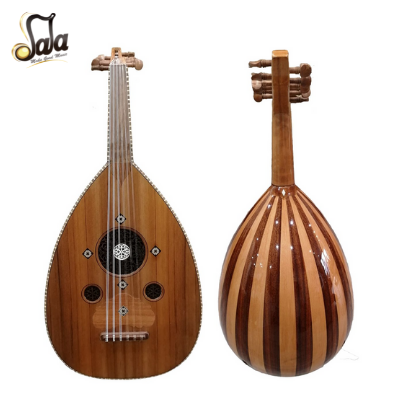
常見分類包括土耳其 oud、阿拉伯 oud(其中可再談敘利亞、埃及、伊拉克等傳統)、波斯 barbat 以及電聲 oud。分類是實用參考,不是嚴格國際標準;同一地區的工匠也會有不同設計。
土耳其 Oud土耳其 oud 通常琴身和有效弦長略小,常採較高調弦,音色傾向清晰、明亮且反應快。這些只是常見趨勢;面板厚度不能用固定 2–3 毫米代表全部型號。
阿拉伯 Oud
阿拉伯 oud 常見十一弦、六組弦(五組雙弦加一根低音單弦),也有其他配置。琴身、面板厚度、琴碼和調弦依敘利亞、埃及、伊拉克及工匠而異,不能一概說面板一定比土耳其型厚。
敘利亞 Oud
敘利亞型常呈現飽滿中低頻、清楚旋律線與阿拉伯調弦,但「乾、硬」或「融合土耳其和阿拉伯聲音」不是可靠定義。尺寸多落在阿拉伯 oud 常見範圍,仍需以實物規格為準。
埃及 Oud
埃及 oud 常見較大的琴身與深沉音色,但並非所有型號都是各類中最大,也不一定只用雲杉面板。雪松、不同琴背木材與多種琴碼設定同樣存在。
摩洛哥/馬格里布 Oud
摩洛哥和馬格里布有 oud、ʿūd ʿarbī 等地方傳統,弦組、調弦和曲目可與東阿拉伯型不同。它們在全球市場可能較少見,但在本地文化中不應簡化為「稀有型」。
波斯 Barbat
現代波斯 barbat 與 oud 關係密切,常依伊朗演奏需求調整琴身、弦長與音色。不能只用「阿拉伯大、土耳其小、波斯中」的尺寸口訣判斷。
電聲 Oud
電聲 oud 可能是實心琴身,也可能是傳統空心 oud 加裝拾音器或前級。舞台回授、自然共鳴、重量和輸出控制依設計不同,購買前應實際接音箱或 DI 試聽。
敘利亞 Oud 與其他 Oud 有什麼不同?
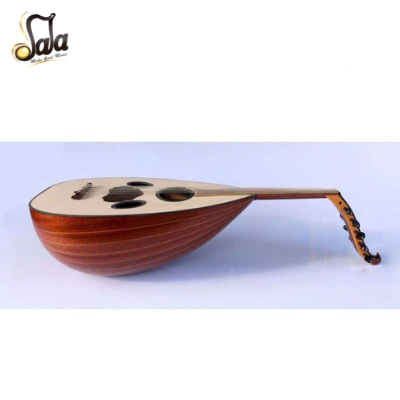
敘利亞 oud 不一定比所有其他 oud 更長或音高更低。較可靠的比較是:確認有效弦長、琴身寬深、面板與琴碼、預期調弦、弦張力和實物錄音。土耳其型常較明亮且調弦較高,埃及型常有較大琴身與厚實低頻,敘利亞型常兼具飽滿共鳴與清晰旋律;但工匠和單件差異可能大於地區平均。價格也不等於音色高低。
Sala Muzik 會在商品頁提供可確認的規格與錄音。若你依老師選琴,請提交其要求的調弦、弦長、尺寸與曲目;不要只按「敘利亞」「阿拉伯」或「土耳其」標籤購買。
你可能也有興趣: Oud 的歷史


Good Afternoon Mr. Moran,
Thank you for reaching out with your inquiry about finding the perfect oud. It’s great to hear about your interest in exploring different styles beyond your Turkish oud.
Regarding the choice between Syrian, Iraqi, and Persian ouds, each has its unique qualities in terms of tone, timbre, and resonance. Typically, Syrian ouds are known for their warm, rich sound with excellent volume, making them very resonant. Persian ouds often exhibit a bright and clear tone, suitable for intricate melodic lines. Iraqi ouds, distinct for their floating bridges, offer a dynamic range of sound and allow for subtle tonal adjustments, which can enhance the instrument’s expressiveness. The floating bridge, indeed, adds a unique character by providing more vibration freedom, thus enriching the sustain and clarity of each note.
With a budget of £800, you are indeed in a good position to acquire a high-quality, professionally set up oud. The instrument I recommend, the Premium Arabic Oud Sala A9, falls within your budget and meets the criteria you described. It is hand-assembled and carefully checked to ensure a beautiful setup and sound. You can view and consider this model here: Premium Arabic Oud Sala A9.
https://salamuzik.com/products/premium-arabic-oud-sala-a9
As for the wood choices, each type offers different attributes:
Walnut: Known for its balanced tone, provides a warm yet bright sound.
Apricot: Rarely used but offers a lighter, very resonant tone.
Pamela: This wood is not commonly used in oud construction; perhaps you meant Padauk, which offers a rich and warm sound.
Cocobolo: Delivers deep and powerful tones with excellent sustain.
Purpleheart: Known for its density and stiffness, provides a vibrant and resonant sound.
For the soundboard, AAA cedar is an excellent choice known for its warm and clear sound, enhancing the oud’s overall tonality. An ebony fretboard and pegs not only add aesthetic value but also contribute to the clarity of the sound, thanks to ebony’s dense nature.
Please let me know if you need any more details or if there’s anything else I can assist you with. I’m here to help ensure you find an instrument that meets your artistic needs and inspires your music.
Kind regards
info@salamuzik.com
Good Afternoon, I wonder if you are able to help?
I am looking to buy an Arabic oud, and am thinking of getting either a Syrian, an Iraqi, or a Persian oud. Which would you say has the better range in tone, timbre, and sounds, and which has the most resonance and volume? (I already have a Turkish oud).
Also, does the Persian oud always have a floating bridge, and if so, is this a good thing improving the instrument? How does this affect the sound in contrast to a fixed bridge?
I am looking for a powerful Arabic sounding instrument, with lovely clear tonal ranges with sustain.
My budget is £800 UK sterling (US$950). Will I find a high quality hand assembled, beautifully set up and checked, professional instrument for this price? What are my options?
Lastly, I have also been looking at woods. Ideally I would like an ebony fretboard and pegs. For the sound board I am considering AAA cedar.
For the body I am unsure. What are your opinions of, and how would you describe the character of the following possibilities: Walnut; Apricot; Pamela; Cocobolo; Purpleheart woods?
Any advice would be very much appreciated.
Thank you.
Kind regards,
David Moran (UK)
The Strings are Nylon like a Classical Guitar so the tension will be fairly low. I find that Machine Head tuners are more practical than friction pegs cause w/ that many strings to keep in tune, Machine heads make a big difference. A built in tuner on an Oud also rocks because Nylon strings take a while to stretch, so it helps w/ tuning it to pitch.
I would like to add that the Moroccan ouds, besides the fact of being rare, are the direct descendant of the Andalusian oud developed by Ziryab starting from Oud Ramal, which could only be found in Andalusia (Spain) and northern Morocco.
The development of the modern Moroccan Oud through the centuries borrowed innovative wood working techniques from Italy, Greece, Germany and, of course, Turkey, Egypt, Syria, Iraq, and most of the middle-east. And in return new Oud architectures were exported to serve as a basis for other modern incarnations in the Oud playing countries.
The main characteristics of modern Moroccan Ouds can be summarized as follows:
- Tone versatility. The Moroccan Oud makers mastered the equalization techniques using innovative approaches to the structure.
- High power. The typical Moroccan Oud is a few decibels louder than its oroental counterparts.
- Higher basses without being “muddy”
- Excellent playability
- Wide choice of woods that the makers know how to handle
- Easy access to the best of the best of Moroccan walnut for the bowl, which is by far the most sought after material by professional recording artists.
- Tested and adopted by a wide range of famous artists, such as Said Chraibi, Farid Al Artrash, Mohamad Abd El Wahab, Tantawi, and many other professional artists and collectors.
I would like to see more Ouds from Morocco at Sala Muzik so our brothers and cousins around the world can enjoy this unique 10 centuries craftsmanship.
留下留言