
الفرق بين العود السوري والآخرين
ويمكننا أن نقول إن أصل البرعم يعود إلى العصور القديمة، وأنه قد تم نقله من جيل إلى جيل، ولا يزال موجودا. أنواع الشوفان إن أكثر أنواع البذور شيوعاً هو البرود العربي، عندما يشار إلى البرود العربي، شمال أفريقيا، فلسطين، لبنان، الأردن، سوريا، العراق، شبه الجزيرة العربية، وإيران، يخطر في بالنا نوع البرود السوري. زهرة سورية لدينا سمة إنتاج الكثير من النغمات يمكننا القول أن هذه هي السمة الرئيسية التي تجعلها مختلفة عن الأخرى
قبل أن تشتري البرودة، يجب أن تبحثوا في كل سماتها وتشتروا لك الزهرة المثالية كل زهرة مختلفة عن بعضها البعض
- Shape
- القياس
- العمل
- المواد
- الوزن
- المدة
- Audio
- لوحة مفاتيح
- رصيد الأسلاك
بشأن (أود)

وتعود جذور الزهرة إلى ما قبل 3500 سنة، ولا يختلف الزهرة المستخدمة في تركيا اختلافاً هيكلياً عن الأوهام في بلدان أخرى، إلا أن أجسام الأوردة العربية أكبر عموماً ولديها فتحة كبيرة واحدة بدلاً من فتحتين صغيرتين وكبيرة، وقد حافظ البرود على هيكله منذ حوالي ألف سنة، باستثناء بعض التغييرات.
واد، وهو جهاز لا يرحم، وهو جزء من أدوات الخيوط، لذا فإن النطاق الصوتي لهذه الأداة الموسيقية هو 3 أوكتافات، والصوت الجميل للزهرة يوفره جسده المهووس، الذي يهتز كما يهز الخيوط، ويستخدم النغمة لعزف الشوفان، ويفضل كل من أنواع الخشب القوية والأكثر دواماً مثل ماهوني وأسلاك البورنبام المستخدمة.
قد تكون مهتماً كيف يتعلم ويد بفعالية؟
ما هو الغرب السوري؟

عندما يُذكر البروفة، فإن مصدرها المباشر يأتي في ذهنه، ويُعتبر البرود السوري من أهم أنواعه، ويُعتبر الزهرة السورية أداة متوسطة، ويُعتبر خياراً عظيماً للشراء.
ما هي أنواع الغرب الأخرى؟
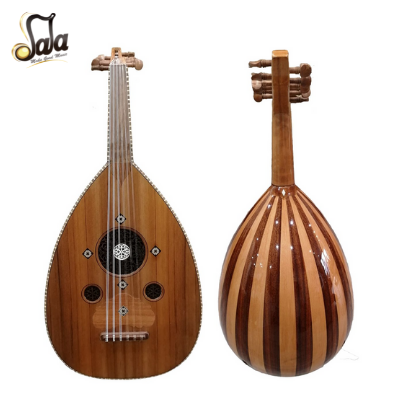
وهناك نوعان من الرماد في القاعدة، الأول هو اللغة العربية، والثاني هو البرود التركي، ويقسم البرود العربي إلى فروع في حد ذاته، ويتمتع الأوردة العربية والأتراك بخصائص محددة، وأكثر أنواع البرود شهرية هي:
تركياإن صوت البروفة التركية لطيف، وقد صُمم البرود التركي بحركة قوية قوامها ميلان أو ثلاثة مليمتر، وهو يوفر في هذا التصميم راحة متميزة للشخص.
العربية
The soundboard of Arabic ouds, which are generally 11 strung, is fisher than Turkish Ouds.
سوريا
ويجمع البروفة السورية بين الأصوات التركية والعربية، ولصوت البرعم السوري نبرة قاسية وجافة إلى حد ما، وهي متوسطة الحجم.
مصر
إن صوت البرود المصري ثقيل وسمك، فالبرودة المصرية هي أكبر نوع من الأنواع الأخرى، فالبرودة المصرية مصنوعة من البرق.
المغرب
إنه نوع نادر من البرود
Persian Oud
والأعشاب العربية كبيرة، والأعشاب التركية صغيرة، والأعشاب الفارسية متوسطة الحجم، ولها صوت دافئ ومتدفق.
المعدات الكهربائية
والأعشاب الكهربائية المصممة بأشكال متعددة لها جسم صلب.
ما الفرق بين الغرب السوري والآخرين؟
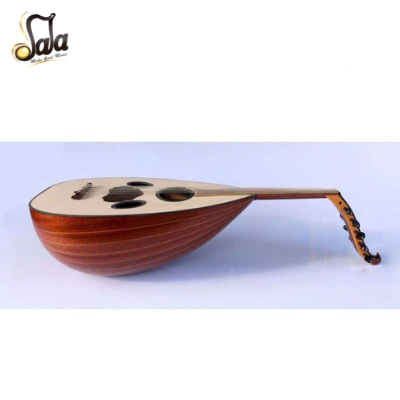
وبالنظر إلى أن هناك معايير تميز بين الفهود وبين بعضها البعض، يمكننا بسهولة أن نرى أن الزهرة السورية أطول من غيرها من الشوفان، كما أن الزهرة السورية أقل، وعندما نفحصها كجسد، فإنها تبدو أكثر خوفاً من أنواع الشوفان، والأعشاب المصرية هي سمية عالية للأنواع الأخرى، وعندما نعتبرها صائبة، فإنها أكثر تكلفة من غيرها من الأورام.
وبصفتنا (سالا موزيك)، نهدف إلى تزويدكم بأفضل الخدمات، وقد جمعنا جميع المنتجات لكم على صفحتنا، ونتبعنا لمزيد من المعلومات والمنتجات.
قد تكون مهتماً تاريخ واد


Good Afternoon Mr. Moran,
Thank you for reaching out with your inquiry about finding the perfect oud. It’s great to hear about your interest in exploring different styles beyond your Turkish oud.
Regarding the choice between Syrian, Iraqi, and Persian ouds, each has its unique qualities in terms of tone, timbre, and resonance. Typically, Syrian ouds are known for their warm, rich sound with excellent volume, making them very resonant. Persian ouds often exhibit a bright and clear tone, suitable for intricate melodic lines. Iraqi ouds, distinct for their floating bridges, offer a dynamic range of sound and allow for subtle tonal adjustments, which can enhance the instrument’s expressiveness. The floating bridge, indeed, adds a unique character by providing more vibration freedom, thus enriching the sustain and clarity of each note.
With a budget of £800, you are indeed in a good position to acquire a high-quality, professionally set up oud. The instrument I recommend, the Premium Arabic Oud Sala A9, falls within your budget and meets the criteria you described. It is hand-assembled and carefully checked to ensure a beautiful setup and sound. You can view and consider this model here: Premium Arabic Oud Sala A9.
https://salamuzik.com/products/premium-arabic-oud-sala-a9
As for the wood choices, each type offers different attributes:
Walnut: Known for its balanced tone, provides a warm yet bright sound.
Apricot: Rarely used but offers a lighter, very resonant tone.
Pamela: This wood is not commonly used in oud construction; perhaps you meant Padauk, which offers a rich and warm sound.
Cocobolo: Delivers deep and powerful tones with excellent sustain.
Purpleheart: Known for its density and stiffness, provides a vibrant and resonant sound.
For the soundboard, AAA cedar is an excellent choice known for its warm and clear sound, enhancing the oud’s overall tonality. An ebony fretboard and pegs not only add aesthetic value but also contribute to the clarity of the sound, thanks to ebony’s dense nature.
Please let me know if you need any more details or if there’s anything else I can assist you with. I’m here to help ensure you find an instrument that meets your artistic needs and inspires your music.
Kind regards
info@salamuzik.com
Good Afternoon, I wonder if you are able to help?
I am looking to buy an Arabic oud, and am thinking of getting either a Syrian, an Iraqi, or a Persian oud. Which would you say has the better range in tone, timbre, and sounds, and which has the most resonance and volume? (I already have a Turkish oud).
Also, does the Persian oud always have a floating bridge, and if so, is this a good thing improving the instrument? How does this affect the sound in contrast to a fixed bridge?
I am looking for a powerful Arabic sounding instrument, with lovely clear tonal ranges with sustain.
My budget is £800 UK sterling (US$950). Will I find a high quality hand assembled, beautifully set up and checked, professional instrument for this price? What are my options?
Lastly, I have also been looking at woods. Ideally I would like an ebony fretboard and pegs. For the sound board I am considering AAA cedar.
For the body I am unsure. What are your opinions of, and how would you describe the character of the following possibilities: Walnut; Apricot; Pamela; Cocobolo; Purpleheart woods?
Any advice would be very much appreciated.
Thank you.
Kind regards,
David Moran (UK)
The Strings are Nylon like a Classical Guitar so the tension will be fairly low. I find that Machine Head tuners are more practical than friction pegs cause w/ that many strings to keep in tune, Machine heads make a big difference. A built in tuner on an Oud also rocks because Nylon strings take a while to stretch, so it helps w/ tuning it to pitch.
I would like to add that the Moroccan ouds, besides the fact of being rare, are the direct descendant of the Andalusian oud developed by Ziryab starting from Oud Ramal, which could only be found in Andalusia (Spain) and northern Morocco.
The development of the modern Moroccan Oud through the centuries borrowed innovative wood working techniques from Italy, Greece, Germany and, of course, Turkey, Egypt, Syria, Iraq, and most of the middle-east. And in return new Oud architectures were exported to serve as a basis for other modern incarnations in the Oud playing countries.
The main characteristics of modern Moroccan Ouds can be summarized as follows:
- Tone versatility. The Moroccan Oud makers mastered the equalization techniques using innovative approaches to the structure.
- High power. The typical Moroccan Oud is a few decibels louder than its oroental counterparts.
- Higher basses without being “muddy”
- Excellent playability
- Wide choice of woods that the makers know how to handle
- Easy access to the best of the best of Moroccan walnut for the bowl, which is by far the most sought after material by professional recording artists.
- Tested and adopted by a wide range of famous artists, such as Said Chraibi, Farid Al Artrash, Mohamad Abd El Wahab, Tantawi, and many other professional artists and collectors.
I would like to see more Ouds from Morocco at Sala Muzik so our brothers and cousins around the world can enjoy this unique 10 centuries craftsmanship.
اترك تعليقًا