
Διαφορά μεταξύ του Συριακού Ουντ και των Άλλων
Μπορούμε να πούμε ότι η προέλευση του ούτι ανάγεται στους αρχαίους χρόνους, ότι έχει περάσει από γενιά σε γενιά και συνεχίζει να υπάρχει. τύπου ούτι Όταν αναφέρεται το αραβικό ούτι, η Βόρεια Αφρική, η Παλαιστίνη, ο Λίβανος, η Ιορδανία, η Συρία, το Ιράκ, η Αραβική Χερσόνησος και το Ιράν έρχονται στο μυαλό μας. Συριακό ούτι Μπορούμε να πούμε ότι αυτό είναι το κύριο χαρακτηριστικό που το κάνει διαφορετικό από τα άλλα.
Πριν αγοράσετε ένα ούτι, θα πρέπει να ερευνήσετε όλα τα χαρακτηριστικά του και να αγοράσετε το ιδανικό ούτι για σας. Κάθε ούτι είναι διαφορετικό το ένα από το άλλο.
- Σχήμα
- Μέτρο
- Εργασίες
- Υλικό
- Βάρος
- Ανθεκτικότητα
- Ήχος
- Πληκτρολόγιο
- Ισοζύγιο καλωδίων
Σχετικά με το Oud

Οι ρίζες του ούτι χρονολογούνται πριν από 3500 χρόνια. Το ούτι που χρησιμοποιείται στην Τουρκία δεν είναι δομικά διαφορετικό από το ούτι σε άλλες χώρες, αλλά τα σώματα των αραβικών ούτι είναι γενικά μεγαλύτερα και έχουν μια μεγάλη τρύπα αντί για δύο μικρές και μία μεγάλη τρύπα. Το ούτι έχει διατηρήσει τη δομή του για περίπου χίλια χρόνια, εκτός από μερικές αλλαγές.
Oud, ένα fretless όργανο; είναι στο τμήμα των έγχορδων οργάνων, έτσι ώστε το φάσμα ήχου αυτού του μουσικού οργάνου είναι 3 οκτάβες. Ο όμορφος ήχος του ούτι παρέχεται από το κοίλο σώμα του, το οποίο δονείται καθώς στριμώχνει τις χορδές. Ένα πλεκτρούμ χρησιμοποιείται για να παίξει το ούτι. Τόσο ισχυρά και πιο ανθεκτικά είδη ξύλου ως μαόνι και κόρνο προτιμώνται για την κατασκευή του ούτι.
Μπορεί να σας ενδιαφέρει: Πώς να μάθετε Oud αποτελεσματικά;
Τι Είναι το Συριακό Ουντ;

Όταν αναφέρεται το ούτι, η άμεση προέλευσή του έρχεται στο μυαλό. Το συριακό ούτι θεωρείται στην αραβική κατηγορία ούτι και είναι ένας από τους πιο σημαντικούς τύπους. Το συριακό ούτι θεωρείται μέσο μέσο όργανο. Είναι μια αρκετά μεγάλη επιλογή για να αγοράσει. Το μεγαλύτερο ούτι δημιουργός στον συριακό κόσμο και τον αραβικό κόσμο, γενικά, είναι \"Αυτό\".
Ποιοι είναι οι άλλοι τύποι Ούντ;
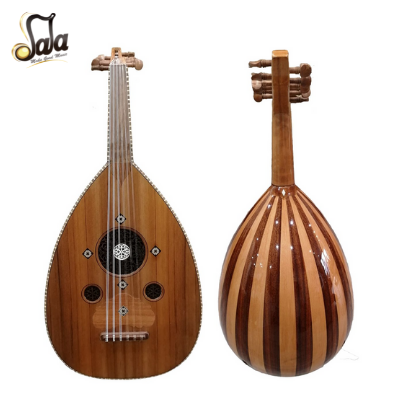
Υπάρχουν δύο τύποι ούτι στον κανόνα. Το πρώτο είναι τα αραβικά, και το δεύτερο είναι το τουρκικό ούτι. Το αραβικό ούτι χωρίζεται σε κλάδους μέσα του. Τα αραβικά και τα τουρκικά ούτζ έχουν συγκεκριμένα χαρακτηριστικά.
Τουρκικό ΟύντΟ ήχος του τουρκικού ούτι είναι απαλός. Το τουρκικό ούτι είναι σχεδιασμένο με ισχυρή κίνηση δύο ή τριών χιλιοστών. Σε αυτό το σχέδιο, προσφέρει μια ξεχωριστή άνεση παιχνιδιού στο άτομο.
Αραβικό Ούντ
Το ηχείο των αραβικών ουδιών, τα οποία είναι γενικά 11 κρεμασμένα, είναι παχύτερο από τα τουρκικά ουντ.
Συριακό Oud
Το συριακό ούτι συνδυάζει τουρκικούς και αραβικούς ήχους. Ο ήχος του συριακού ούτι έχει μάλλον σκληρό και ξηρό τόνο.
Αιγυπτιακό Ούντ
Ο ήχος του αιγυπτιακού ούτι είναι βαρύς και παχύς. Το αιγυπτιακό ούτι είναι το μεγαλύτερο μεταξύ των άλλων ειδών.
Μαροκινό Oud
Είναι σπάνιο είδος ούτι.
Περσικό ούδο
Τα αραβικά ουντ είναι μεγάλα, τα τουρκικά ουντ είναι μικρά και τα περσικά ουντ είναι μεσαίου μεγέθους.
Ηλεκτρικό Oud
Ηλεκτρικά uds σχεδιασμένα σε πολλαπλές μορφές έχουν ένα στερεό σώμα.
Ποια είναι η διαφορά μεταξύ του Συριακού Ούντ και των άλλων;
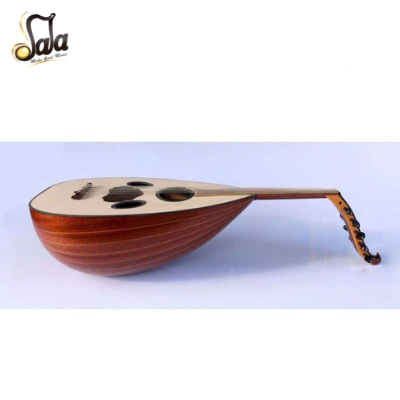
Λαμβάνοντας υπόψη ότι υπάρχουν κριτήρια που ξεχωρίζουν το ένα το άλλο, μπορούμε εύκολα να δούμε ότι το συριακό ούτι είναι ψηλότερο από τα άλλα ούτι. Επίσης, η πίσσα του συριακού ούτι είναι χαμηλότερη. Όταν το εξετάζουμε ως σώμα, φαίνεται περισσότερο αχλάδι από ούτι τύπους. Αιγυπτιακά ούτι είναι ιδιαίτερα διακοσμητικά των άλλων ειδών.
Ως Sala Muzik, σκοπεύουμε να σας παρέχουμε την καλύτερη υπηρεσία. Έχουμε συντάξει όλα τα προϊόντα για εσάς στη σελίδα μας. Ακολουθήστε μας για περισσότερες πληροφορίες και προϊόντα.
Μπορεί να σας ενδιαφέρει: Ιστορία του Oud


Good Afternoon Mr. Moran,
Thank you for reaching out with your inquiry about finding the perfect oud. It’s great to hear about your interest in exploring different styles beyond your Turkish oud.
Regarding the choice between Syrian, Iraqi, and Persian ouds, each has its unique qualities in terms of tone, timbre, and resonance. Typically, Syrian ouds are known for their warm, rich sound with excellent volume, making them very resonant. Persian ouds often exhibit a bright and clear tone, suitable for intricate melodic lines. Iraqi ouds, distinct for their floating bridges, offer a dynamic range of sound and allow for subtle tonal adjustments, which can enhance the instrument’s expressiveness. The floating bridge, indeed, adds a unique character by providing more vibration freedom, thus enriching the sustain and clarity of each note.
With a budget of £800, you are indeed in a good position to acquire a high-quality, professionally set up oud. The instrument I recommend, the Premium Arabic Oud Sala A9, falls within your budget and meets the criteria you described. It is hand-assembled and carefully checked to ensure a beautiful setup and sound. You can view and consider this model here: Premium Arabic Oud Sala A9.
https://salamuzik.com/products/premium-arabic-oud-sala-a9
As for the wood choices, each type offers different attributes:
Walnut: Known for its balanced tone, provides a warm yet bright sound.
Apricot: Rarely used but offers a lighter, very resonant tone.
Pamela: This wood is not commonly used in oud construction; perhaps you meant Padauk, which offers a rich and warm sound.
Cocobolo: Delivers deep and powerful tones with excellent sustain.
Purpleheart: Known for its density and stiffness, provides a vibrant and resonant sound.
For the soundboard, AAA cedar is an excellent choice known for its warm and clear sound, enhancing the oud’s overall tonality. An ebony fretboard and pegs not only add aesthetic value but also contribute to the clarity of the sound, thanks to ebony’s dense nature.
Please let me know if you need any more details or if there’s anything else I can assist you with. I’m here to help ensure you find an instrument that meets your artistic needs and inspires your music.
Kind regards
info@salamuzik.com
Good Afternoon, I wonder if you are able to help?
I am looking to buy an Arabic oud, and am thinking of getting either a Syrian, an Iraqi, or a Persian oud. Which would you say has the better range in tone, timbre, and sounds, and which has the most resonance and volume? (I already have a Turkish oud).
Also, does the Persian oud always have a floating bridge, and if so, is this a good thing improving the instrument? How does this affect the sound in contrast to a fixed bridge?
I am looking for a powerful Arabic sounding instrument, with lovely clear tonal ranges with sustain.
My budget is £800 UK sterling (US$950). Will I find a high quality hand assembled, beautifully set up and checked, professional instrument for this price? What are my options?
Lastly, I have also been looking at woods. Ideally I would like an ebony fretboard and pegs. For the sound board I am considering AAA cedar.
For the body I am unsure. What are your opinions of, and how would you describe the character of the following possibilities: Walnut; Apricot; Pamela; Cocobolo; Purpleheart woods?
Any advice would be very much appreciated.
Thank you.
Kind regards,
David Moran (UK)
The Strings are Nylon like a Classical Guitar so the tension will be fairly low. I find that Machine Head tuners are more practical than friction pegs cause w/ that many strings to keep in tune, Machine heads make a big difference. A built in tuner on an Oud also rocks because Nylon strings take a while to stretch, so it helps w/ tuning it to pitch.
I would like to add that the Moroccan ouds, besides the fact of being rare, are the direct descendant of the Andalusian oud developed by Ziryab starting from Oud Ramal, which could only be found in Andalusia (Spain) and northern Morocco.
The development of the modern Moroccan Oud through the centuries borrowed innovative wood working techniques from Italy, Greece, Germany and, of course, Turkey, Egypt, Syria, Iraq, and most of the middle-east. And in return new Oud architectures were exported to serve as a basis for other modern incarnations in the Oud playing countries.
The main characteristics of modern Moroccan Ouds can be summarized as follows:
- Tone versatility. The Moroccan Oud makers mastered the equalization techniques using innovative approaches to the structure.
- High power. The typical Moroccan Oud is a few decibels louder than its oroental counterparts.
- Higher basses without being “muddy”
- Excellent playability
- Wide choice of woods that the makers know how to handle
- Easy access to the best of the best of Moroccan walnut for the bowl, which is by far the most sought after material by professional recording artists.
- Tested and adopted by a wide range of famous artists, such as Said Chraibi, Farid Al Artrash, Mohamad Abd El Wahab, Tantawi, and many other professional artists and collectors.
I would like to see more Ouds from Morocco at Sala Muzik so our brothers and cousins around the world can enjoy this unique 10 centuries craftsmanship.
Αφήστε ένα σχόλιο