
تفاوت بین عود سوریه و دیگران
ما می توانیم بگوییم که منشاء تاریخ های پوشیده به دوران باستان، که از نسل به نسل دیگر منتقل شده و همچنان وجود دارد. انواع چوب که امروزه به طور گسترده ای مورد استفاده قرار می گیرد، رایج ترین نوع حجاب عربی است، زمانی که به عربی، شمال آفریقا، فلسطین، لبنان، اردن، سوریه، عراق، شبه جزیره عربی و ایران اشاره می کنیم. سوریه-رود ما می توانیم بگوییم که این ویژگی اصلی است که آن را با دیگران متفاوت می کند.
قبل از خرید یک چوب، شما باید تمام ویژگی های آن را بررسی کنید و لباس ایده آل را برای شما خریداری کنید، هر چوب متفاوت از یکدیگر است. معیارهایی که انواع چوب را متفاوت از یکدیگر می سازد عبارتند از:
- شکل Shape
- اندازه گیری
- اشتغال
- ماده
- وزن وزن
- قابلیت Durability
- Audio
- صفحه اصلی
- تعادل Wire Balance
درباره Oud

ریشه های تاریخ پوشیده شده به 3500 سال پیش، چوب مورد استفاده در ترکیه از نظر ساختاری با چوب در کشورهای دیگر متفاوت نیست، اما بدن های چوب های عربی به طور کلی بزرگتر هستند و به جای دو حفره کوچک و یک حفره بزرگ دارند.
Oud، یک ابزار بی رحم؛ در بخش ابزارهای رشته ای است، بنابراین محدوده صدا از این ابزار موسیقی 3 اکتاو است. صدای زیبا از چوب توسط بدن توخالی آن ارائه شده است، که ارتعاش می شود به عنوان سیم های قدیمی استفاده می شود.
شما ممکن است علاقه مند باشید: چگونه به طور موثر یاد بگیریم؟
سوریه چیست؟

هنگامی که "رود" ذکر شده است، منشأ فوری آن به ذهن می آید، "کوه سوریه" در رده ی عربی پوشیده در نظر گرفته می شود و یکی از مهم ترین انواع آن است. "پوششی سوری به عنوان یک ابزار متوسط در نظر گرفته شده است.این انتخاب بسیار عالی برای خرید است.
انواع دیگر Oud چیست؟
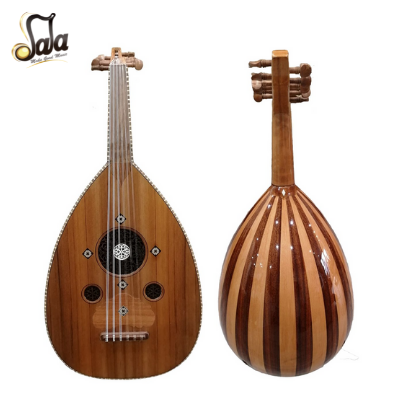
دو نوع چوب در هنجار وجود دارد، اولی عربی است، و دومین آن، شن ترکی است.ود عربی به شاخه های درون خود تقسیم شده است.
ترکیه Oudصدای حجاب ترکی ملایم است، حجاب ترکی با یک حرکت قوی دو یا سه میلی متر طراحی شده است.
عربی
تخته صدا از چوب های عربی که به طور کلی 11 تارونگ هستند ضخیم تر از اوودهای ترکی است.
سوریه
حجاب سوریه صداهای ترکی و عربی را ترکیب می کند، صدای حجاب سوریه دارای لحن نسبتا خشن و خشک است.
مصری اوود
صدای حجاب مصر سنگین و ضخیم است، حجاب مصری بزرگترین در میان گونه های دیگر است.
مراکش
این یک نوع نادر از چوب است.
فارسی فارسی Oud
اوودهای عربی بزرگ هستند، اوودهای ترکیه کوچک هستند و فارسی اوودها متوسط هستند.این صدای گرم و جاری دارد.
الکتریکی Oud
Ouds الکتریکی طراحی شده در اشکال مختلف دارای یک بدن جامد است.
تفاوت بین اوود سوریه و دیگران چیست؟
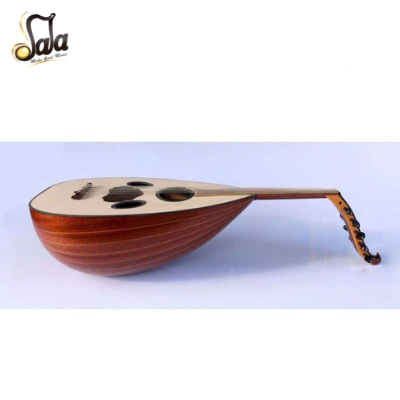
با توجه به اینکه معیارهایی وجود دارد که از یکدیگر متمایز می شود، به راحتی می توانیم ببینیم که حجاب سوریه بلندتر از سایر چوب ها است، همچنین، زمین حجاب سوریه پایین تر است، زمانی که ما آن را به عنوان یک بدن بررسی می کنیم، به نظر می رسد بیشتر از انواع پوشیده شده است.
به عنوان Sala Muzik، ما قصد داریم بهترین خدمات را به شما ارائه دهیم.ما تمام محصولات را برای شما در صفحه ما جمع آوری کرده ایم.
شما ممکن است علاقه مند باشید: تاریخ Oud


Good Afternoon Mr. Moran,
Thank you for reaching out with your inquiry about finding the perfect oud. It’s great to hear about your interest in exploring different styles beyond your Turkish oud.
Regarding the choice between Syrian, Iraqi, and Persian ouds, each has its unique qualities in terms of tone, timbre, and resonance. Typically, Syrian ouds are known for their warm, rich sound with excellent volume, making them very resonant. Persian ouds often exhibit a bright and clear tone, suitable for intricate melodic lines. Iraqi ouds, distinct for their floating bridges, offer a dynamic range of sound and allow for subtle tonal adjustments, which can enhance the instrument’s expressiveness. The floating bridge, indeed, adds a unique character by providing more vibration freedom, thus enriching the sustain and clarity of each note.
With a budget of £800, you are indeed in a good position to acquire a high-quality, professionally set up oud. The instrument I recommend, the Premium Arabic Oud Sala A9, falls within your budget and meets the criteria you described. It is hand-assembled and carefully checked to ensure a beautiful setup and sound. You can view and consider this model here: Premium Arabic Oud Sala A9.
https://salamuzik.com/products/premium-arabic-oud-sala-a9
As for the wood choices, each type offers different attributes:
Walnut: Known for its balanced tone, provides a warm yet bright sound.
Apricot: Rarely used but offers a lighter, very resonant tone.
Pamela: This wood is not commonly used in oud construction; perhaps you meant Padauk, which offers a rich and warm sound.
Cocobolo: Delivers deep and powerful tones with excellent sustain.
Purpleheart: Known for its density and stiffness, provides a vibrant and resonant sound.
For the soundboard, AAA cedar is an excellent choice known for its warm and clear sound, enhancing the oud’s overall tonality. An ebony fretboard and pegs not only add aesthetic value but also contribute to the clarity of the sound, thanks to ebony’s dense nature.
Please let me know if you need any more details or if there’s anything else I can assist you with. I’m here to help ensure you find an instrument that meets your artistic needs and inspires your music.
Kind regards
info@salamuzik.com
Good Afternoon, I wonder if you are able to help?
I am looking to buy an Arabic oud, and am thinking of getting either a Syrian, an Iraqi, or a Persian oud. Which would you say has the better range in tone, timbre, and sounds, and which has the most resonance and volume? (I already have a Turkish oud).
Also, does the Persian oud always have a floating bridge, and if so, is this a good thing improving the instrument? How does this affect the sound in contrast to a fixed bridge?
I am looking for a powerful Arabic sounding instrument, with lovely clear tonal ranges with sustain.
My budget is £800 UK sterling (US$950). Will I find a high quality hand assembled, beautifully set up and checked, professional instrument for this price? What are my options?
Lastly, I have also been looking at woods. Ideally I would like an ebony fretboard and pegs. For the sound board I am considering AAA cedar.
For the body I am unsure. What are your opinions of, and how would you describe the character of the following possibilities: Walnut; Apricot; Pamela; Cocobolo; Purpleheart woods?
Any advice would be very much appreciated.
Thank you.
Kind regards,
David Moran (UK)
The Strings are Nylon like a Classical Guitar so the tension will be fairly low. I find that Machine Head tuners are more practical than friction pegs cause w/ that many strings to keep in tune, Machine heads make a big difference. A built in tuner on an Oud also rocks because Nylon strings take a while to stretch, so it helps w/ tuning it to pitch.
I would like to add that the Moroccan ouds, besides the fact of being rare, are the direct descendant of the Andalusian oud developed by Ziryab starting from Oud Ramal, which could only be found in Andalusia (Spain) and northern Morocco.
The development of the modern Moroccan Oud through the centuries borrowed innovative wood working techniques from Italy, Greece, Germany and, of course, Turkey, Egypt, Syria, Iraq, and most of the middle-east. And in return new Oud architectures were exported to serve as a basis for other modern incarnations in the Oud playing countries.
The main characteristics of modern Moroccan Ouds can be summarized as follows:
- Tone versatility. The Moroccan Oud makers mastered the equalization techniques using innovative approaches to the structure.
- High power. The typical Moroccan Oud is a few decibels louder than its oroental counterparts.
- Higher basses without being “muddy”
- Excellent playability
- Wide choice of woods that the makers know how to handle
- Easy access to the best of the best of Moroccan walnut for the bowl, which is by far the most sought after material by professional recording artists.
- Tested and adopted by a wide range of famous artists, such as Said Chraibi, Farid Al Artrash, Mohamad Abd El Wahab, Tantawi, and many other professional artists and collectors.
I would like to see more Ouds from Morocco at Sala Muzik so our brothers and cousins around the world can enjoy this unique 10 centuries craftsmanship.
دیدگاه بگذارید